
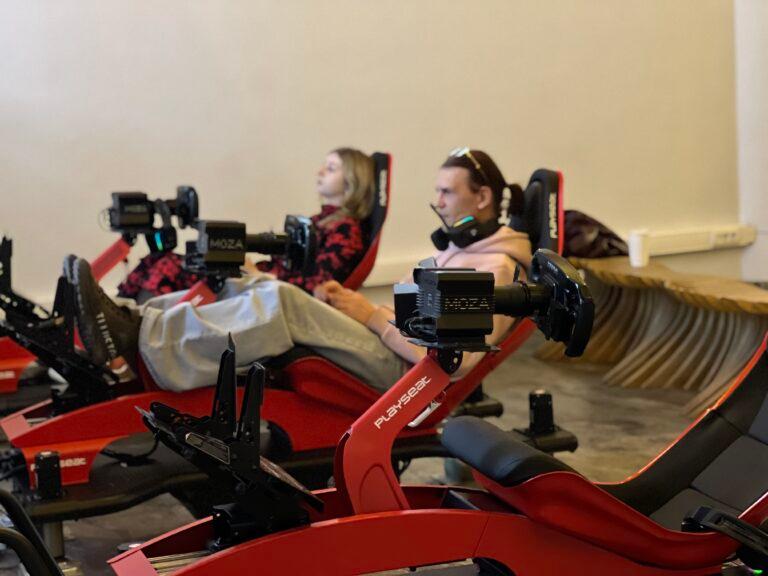
Key equipment choices for new operators and players: cockpit design, steering feedback, pedals, displays, motion platform and content selection.
Start with the experience you want to sell
A beginner racing simulator setup should not start with the most expensive component list. It should start with the target user: casual visitors, motorsport fans, esports players, children, families or corporate groups.
Once the target user is clear, the operator can choose the right cockpit style, steering wheel, pedal system, display, software, motion platform and race format.
Core equipment in a racing simulator
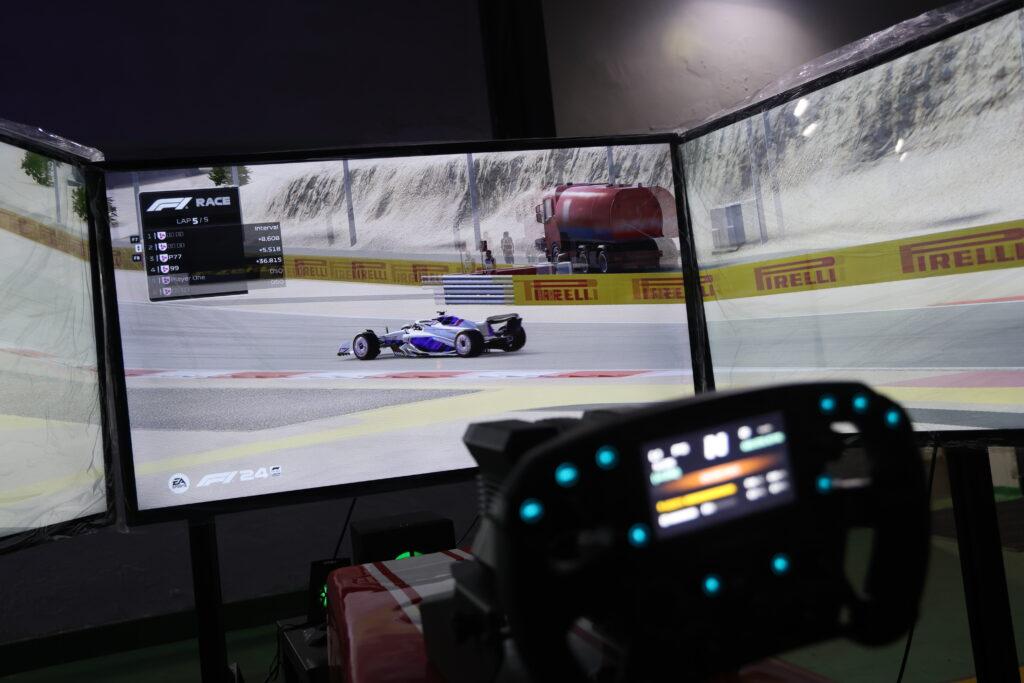
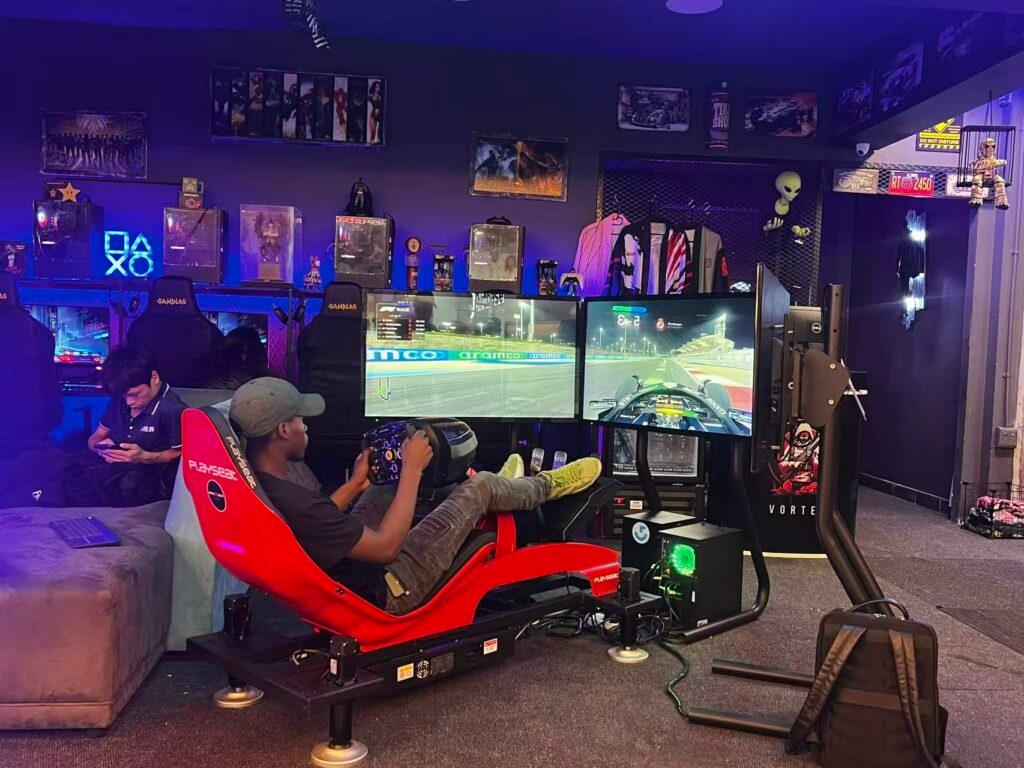
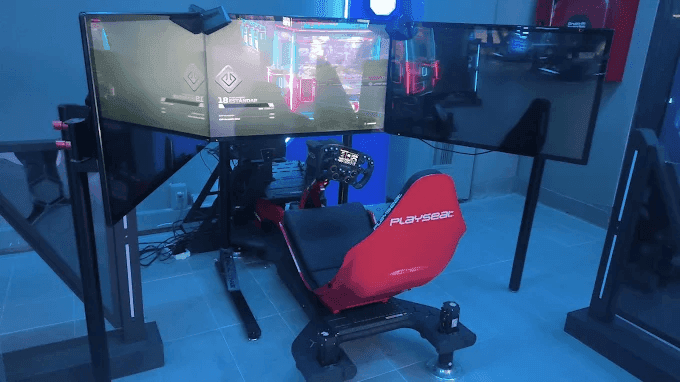
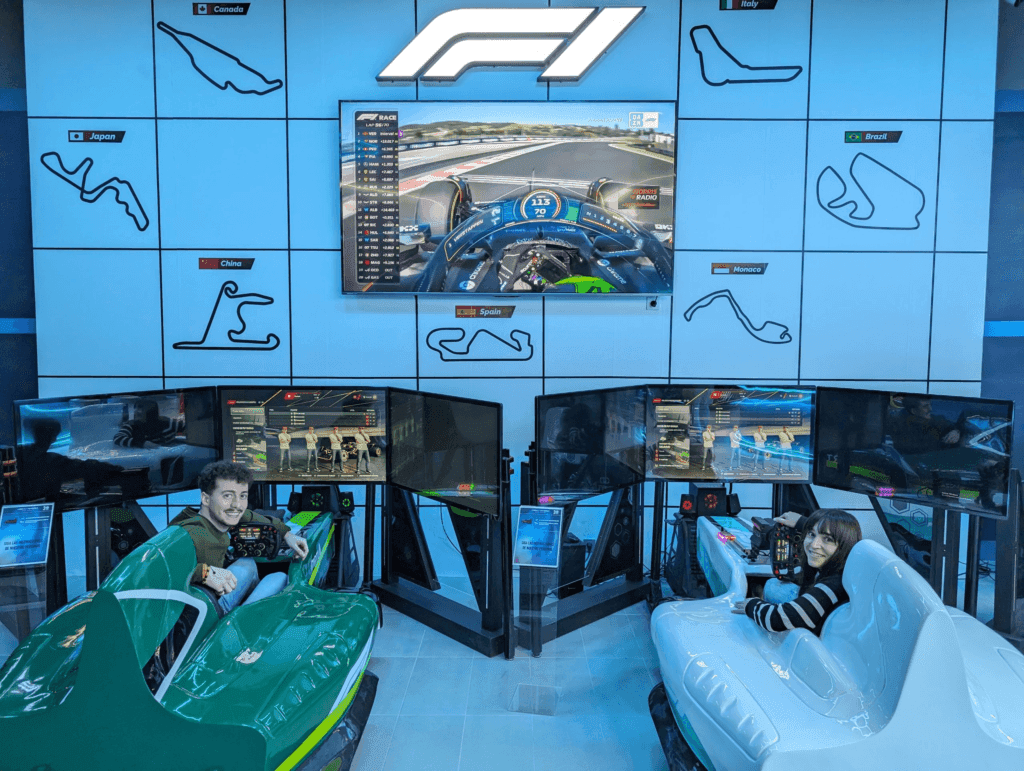
A complete simulator normally includes a seat frame, steering wheel, pedals, display system, computer or console, racing software and an audio setup. Commercial systems may also include a motion platform, protective cabinet, card reader and management software.
The steering wheel and pedals have the biggest influence on control feel. The seat, display height and viewing angle affect comfort. The software decides whether the attraction is simple for beginners or deep enough for serious players.
Commercial setup tips
For a public venue, durability matters as much as realism. Operators should check maintenance access, cable protection, safety edges, easy restart procedures and whether staff can solve common issues quickly.
A good first project can start with two to four units. This allows head-to-head races, simple competitions and a stronger visual effect than a single isolated machine.
Related media from this article
Prepared and reviewed by Wehop Editorial Team
Wehop manufactures amusement equipment, so product references may describe Wehop systems. Technical scope, certificates and commercial assumptions should be verified for each project.
Racing simulator planning resources
Continue from market research to equipment selection, project examples and a commercial simulator configuration.
Want a Custom Quote for Your Venue?
Tell us your space, budget and goals — Wehop's engineering team will reply within 24 hours with a tailored proposal.