
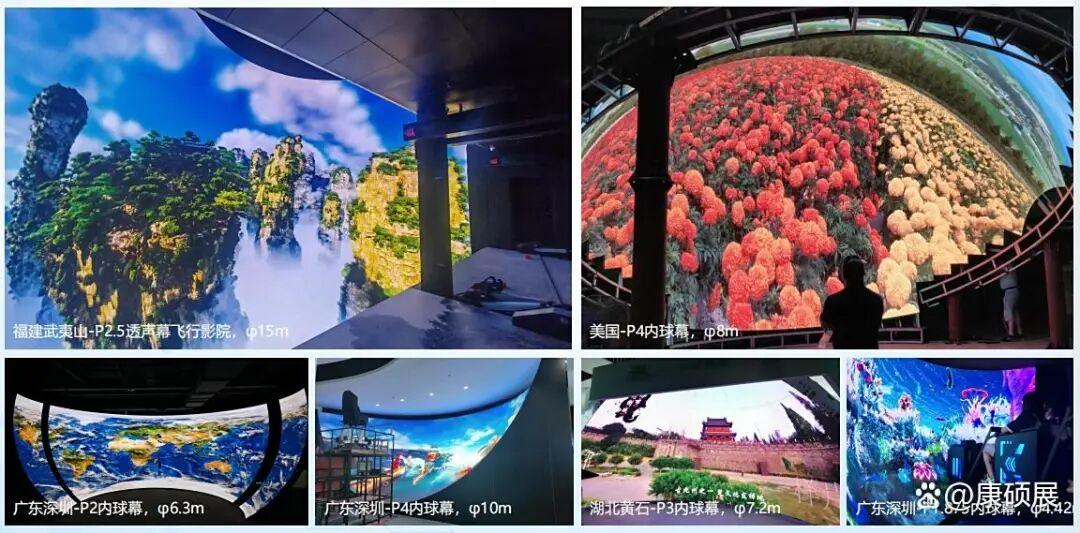
The core value of a dome cinema within a science and technology museum lies in the fusion of “Technology + Popular Science,” creating an “immersive knowledge transfer” scenario for audiences. Its design must balance technical expertise, experiential comfort, and popular science functionality, forming a complete solution ranging from space planning and equipment selection to operational adaptation. Wehop Team will unfold actionable design and implementation strategies across the following six core modules.
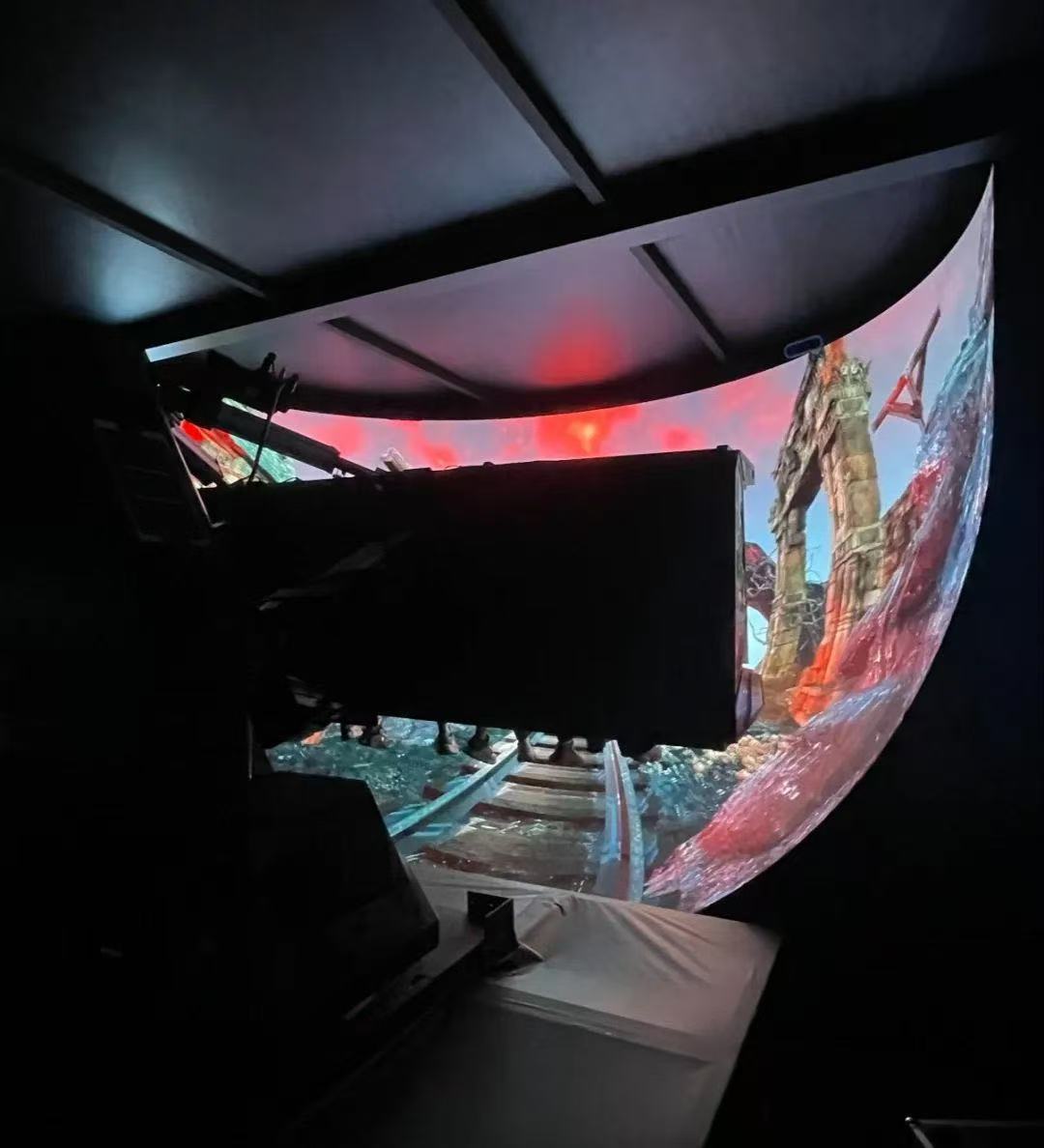
I. Core Space Planning Design
1. Site Selection and Basic Conditions
Science museum dome cinemas must prioritize “large space, low interference” requirements. Site selection should follow three main principles:
- Ceiling Height Requirements: Hemispherical domes typically have a diameter of 15–25 meters (12–18 m for small/medium museums, 20–25 m for large museums). The venue's clear ceiling height must be ≥ dome radius + 2.5 meters. For example, a 20 m diameter dome requires a clear height of ≥ 12.5 m.
- Load-Bearing Capacity: Floor load-bearing must be ≥ 800 kg/m² (to support the dome structure, audio, and servers), while the audience seating area requires ≥ 300 kg/m².
- Soundproofing and Shading: Wall sound insulation ≥ 40 dB. The dome area needs 100% blackout capability (double-layer blackout curtains + sealed window frames) to help preserve screen contrast and color reproduction.
2. Functional Zoning Design
- Viewing Area: Hemispherical dome and seating layout. Seats arranged in an arc following the dome's curvature, with row spacing ≥ 1.2 m and a height difference between rows of ≥ 0.15 m. Reserve 2–3 accessible seats (wheelchairs) and 1–2 rows of parent-child seats.
- Equipment Area: HVAC room (≥ 20 m², temperature 18–25 °C), an audio control room (adjacent to the viewing area), and a film server room (next to projection, dust-proof and anti-static).
- Auxiliary Area: Ticketing, security, a “Popular Science Warm-up Area” (≥ 30 m²) with models and graphic panels, and an Interactive Message Area at the exit.
II. Core Hardware Design: Dome Screen and Audio
1. Hemispherical Dome Design
- Material: LED internal dome screens to provide ultra-high definition image quality of 8K and above.
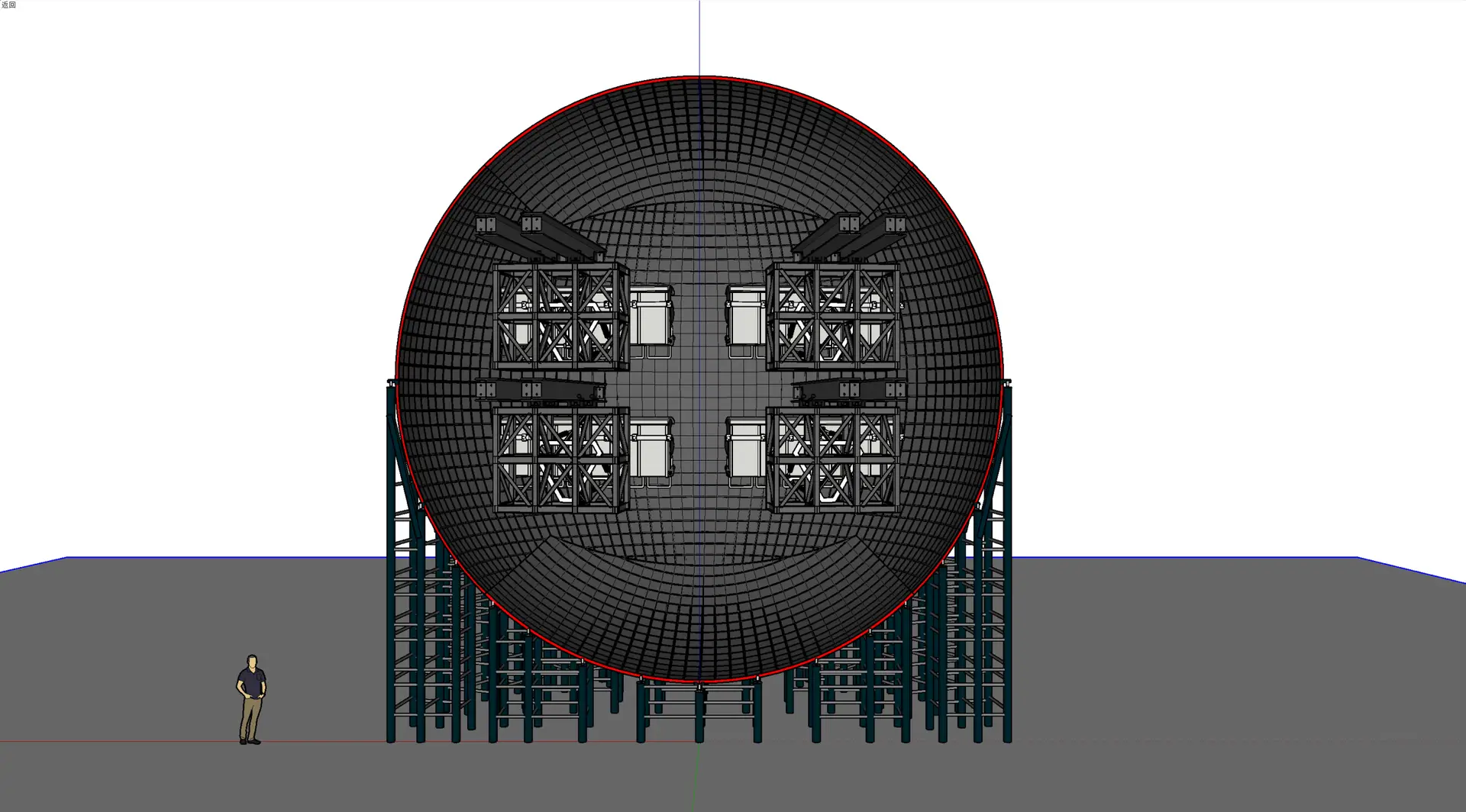
- Curvature and Size: Horizontal distance from the dome's center to the first row of seats ≥ 1.2× screen radius, ensuring audience FOV coverage of 180°–220°. With an 18 m diameter screen, the first row is ≈ 10.8 m from center.
- Maintenance: Anti-fouling, wear-resistant surface; maintenance access tunnels for periodic cleaning and replacement.
2. Dome System Design
- Resolution and Equipment: Small/medium museums use 4K Ultra HD Dome Screens; large museums upgrade to 8K and above for films like Universe Exploration.
- Blending Technology: Edge Blending + Geometric Correction — brightness differences at seams ≤ 5%, geometric distortion ≤ 1%.
- Film Server: Supports 8K and multi-format decoding, storage ≥ 20 TB. Dual backup with switching time ≤ 3 seconds.
3. Audio System Design
- Equipment Layout: 5.1.4 Panoramic Sound System — 3 main speakers front, 2 surround sides, 4 overhead/sky speakers, low-frequency speakers under seats.
- Sound Calibration: Pressure level difference across each seat ≤ 3 dB. Preset sound templates like “Universe Mode” or “Nature Mode.”
III. Audience Experience Optimization
1. Seat and Viewing Angle
- Seats: Electric adjustable reclining chairs (30°–75° backrest), breathable fabric, USB charging ports, cup holders, child-adjustable headrests.
- Viewing Angle: Optimal is 15°–30° elevation. In a 20 m dome, rows 4–6 are the golden viewing area — mark as “Recommended Seats.”
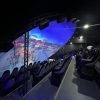
2. Lighting and Interaction
- Environmental Lighting: Dimmable LED strip lights — fade to 5 lux 5 minutes before show, fade up to 30 lux on exit. Warm-up area features “starry ceiling lighting.”
- Interactive Functions: Touch screens on seat armrests for real-time knowledge lookup; AR Interactive Screen at the exit for character photos.
IV. Popular Science Function Adaptation
1. Film Content Customization
- Film Type Planning: Four major categories — Astronomy & Universe, Natural Geography, Life Science, History of Technology Development. ≥ 5 films per category. Monthly updates of 1–2 new films.
- Localized Content: Inner Mongolia Science Museum → Exploring the Grassland Starry Sky; Hunan → The Ecological Code of Dongting Lake, etc.
2. Popular Science Supporting Services
- Pre-show Explanation: 5 minutes before each screening, guide (or AI voice) explains key concepts; distribute “Popular Science Manuals.”
- Post-show Interaction: Q&A sessions with rewards. For student groups, launch “Dome Science Courses” with hands-on activities.
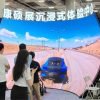
V. Operations and Maintenance
1. Daily Operational Management
- Session Planning: 4–6 viewings daily (40–60 min each, 30 min gap). Add 2–3 “Parent-Child Special Sessions” on weekends/holidays.
- Ticketing: Online reservation + offline self-service. 50% off for students, free for seniors over 65.
2. Equipment Maintenance Plan
- Daily: Pre-screening checks of dome, audio (volume tests), seats (electric debugging, cleaning, disinfection).
- Regular: Weekly server & blending param check; quarterly dome cleaning; semi-annual full inspection; annual audio system calibration.
VI. Safety and Emergency Solutions
1. Safety Design
- Fire Protection: ≥ 2 evacuation exits (≥ 1.2 m wide). Emergency indicators ≥ 10 lux. Dry powder fire extinguishers (1 set per 50 m²). Emergency broadcast linked with the museum's fire system.
- Equipment Safety: Smoke alarms and temp/humidity sensors in HVAC and server rooms — automatic alarm at temperature > 30 °C or humidity > 60%.
2. Emergency Handling
- Equipment Failure: Backup activates within 3 seconds. Offer refund/exchange. If not repairable immediately, arrange for later sessions plus souvenirs.
- Personnel: First-aid kit on hand. Guide affected guests to a rest area with warm water; contact medical if needed.
Summary: The “Design Core” of Science Museum Dome Cinemas
A science museum dome cinema is not merely a “stacking of technology,” but a carrier where “technology serves popular science.” Its design needs to revolve around the two major goals of “immersive experience” and “knowledge transfer.” By coordinating across dimensions of space, hardware, experience, and operations, it ensures both technical professionalism and stability while making popular science “come alive” through localized content and interactive functions — ultimately becoming the museum's “core attraction” and a memorable popular science touchpoint for audiences.
Prepared and reviewed by Wehop Editorial Team
Wehop manufactures amusement equipment, so product references may describe Wehop systems. Technical scope, certificates and commercial assumptions should be verified for each project.
Want a Custom Quote for Your Venue?
Tell us your space, budget and goals — Wehop's engineering team will reply within 24 hours with a tailored proposal.