
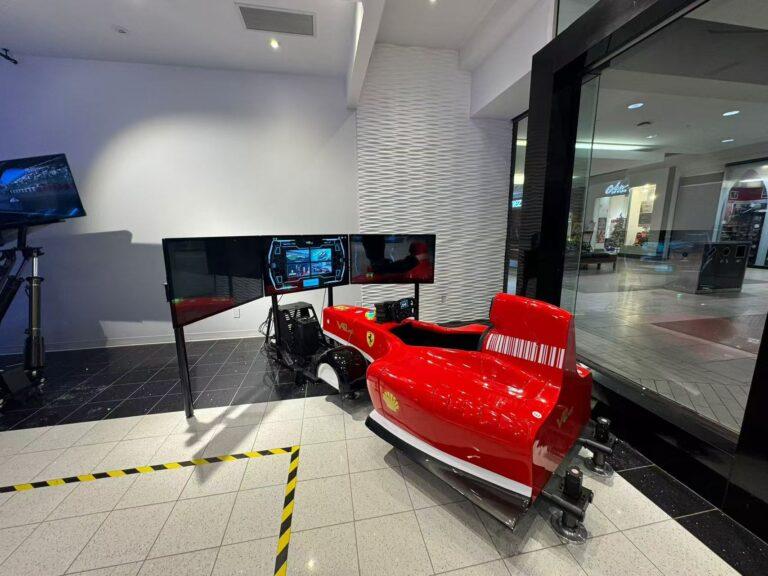
Where VR adds value to racing simulator attractions, and when wide displays or triple-screen systems are the better commercial choice.
VR makes racing feel personal
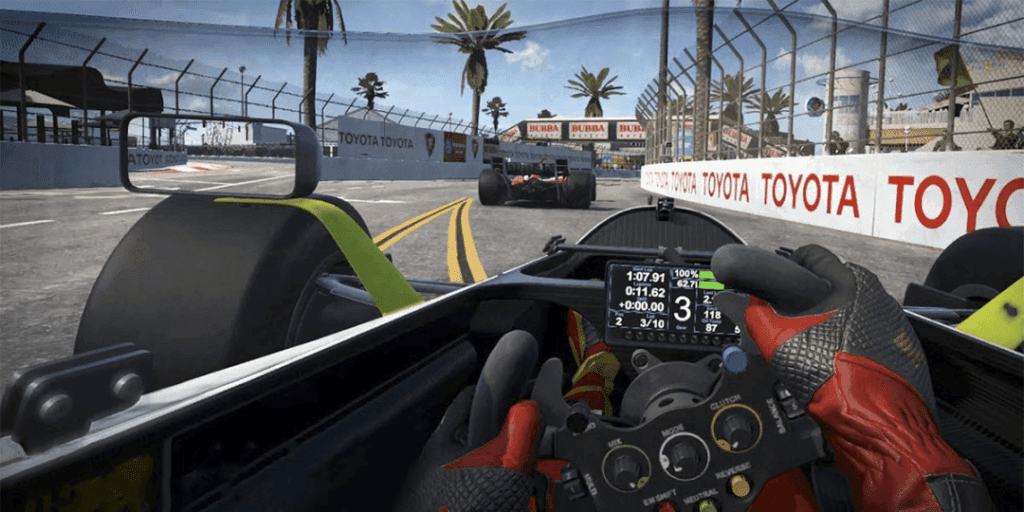
VR can make an F1 simulator feel highly immersive because the driver looks naturally into corners, checks mirrors and feels surrounded by the cockpit. For individual premium sessions, this can create a strong first impression.
However, commercial operators should also consider staff workload, hygiene, headset durability and whether spectators can understand what the driver is seeing.
Screens still matter for public venues
Triple-screen and curved-screen simulators remain very practical for arcades and family entertainment centers. They are easier for staff to operate, easier for friends to watch and easier to promote through photos and videos.
The right choice depends on the business model. VR is excellent for deep immersion, while screen-based systems are often better for high-traffic venues and group entertainment.
Combining motion and visuals
Motion platforms add physical cues for braking, cornering, bumps and acceleration. When motion is tuned carefully, it improves realism without making casual players uncomfortable.
Wehop Tech can provide VR, screen-based and motion racing simulator options for different venue types, from compact mall attractions to multi-unit racing centers.
Related media from this article
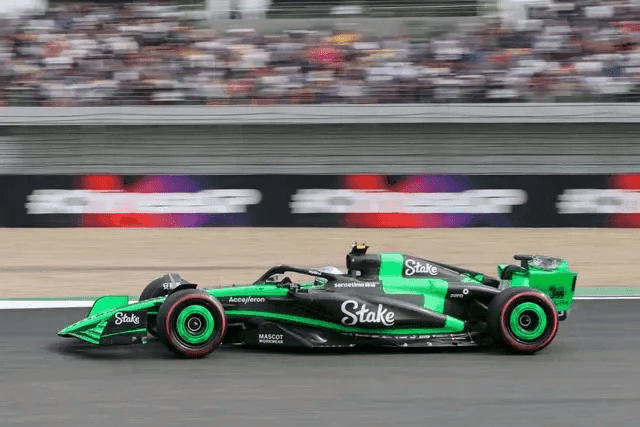
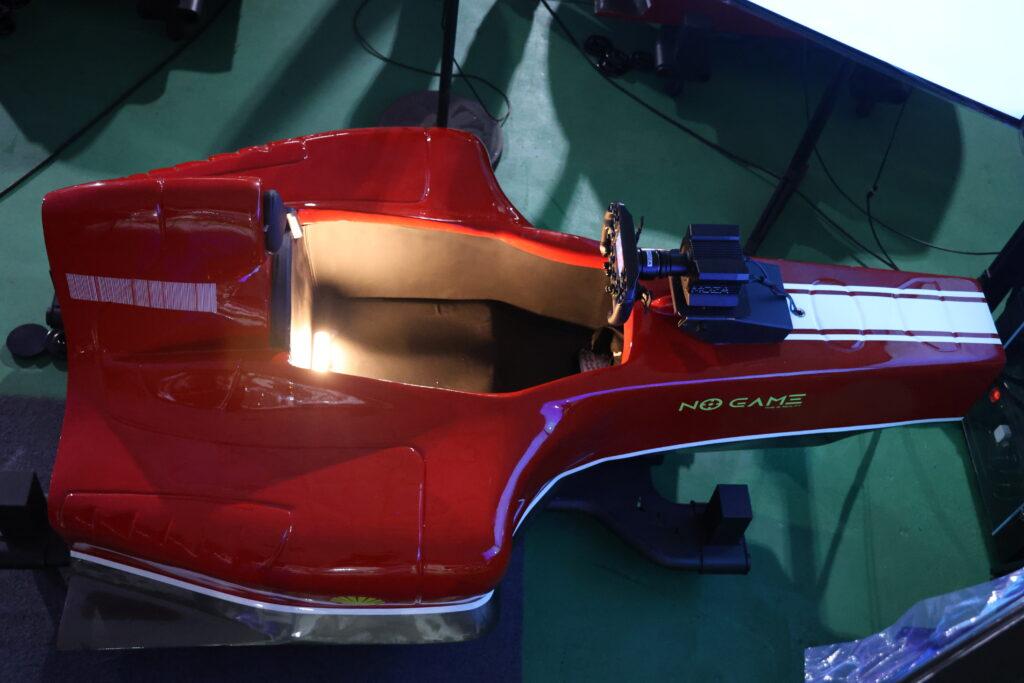
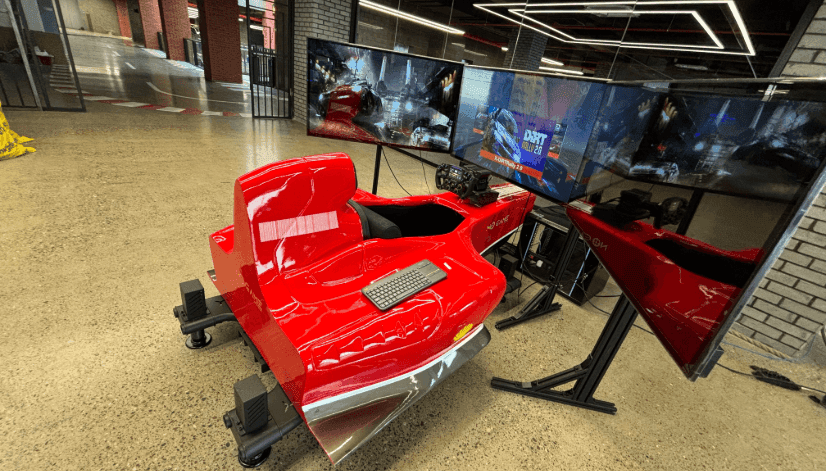
Prepared and reviewed by Wehop Editorial Team
Wehop manufactures amusement equipment, so product references may describe Wehop systems. Technical scope, certificates and commercial assumptions should be verified for each project.
Racing simulator planning resources
Continue from market research to equipment selection, project examples and a commercial simulator configuration.
Want a Custom Quote for Your Venue?
Tell us your space, budget and goals — Wehop's engineering team will reply within 24 hours with a tailored proposal.