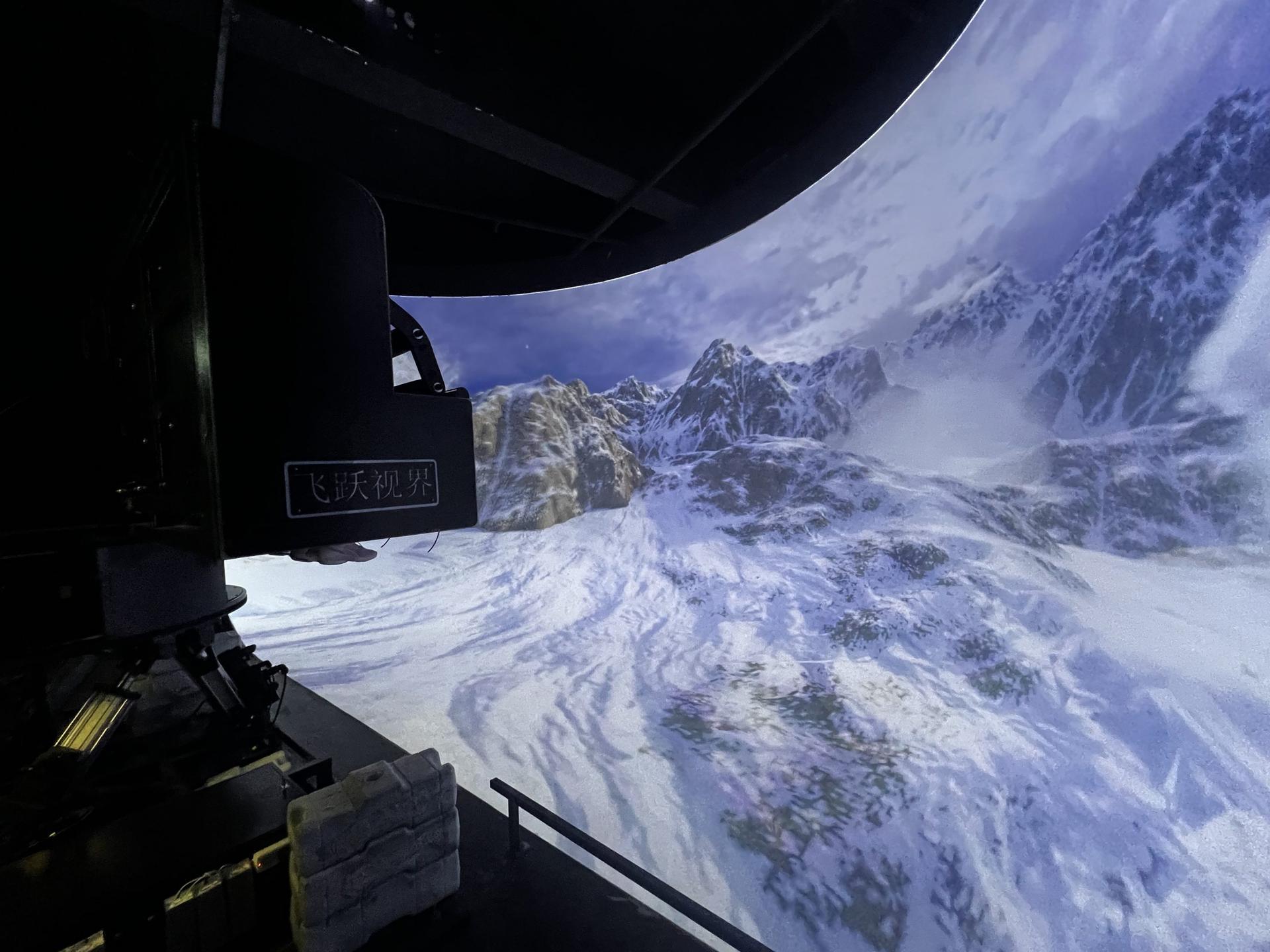
Outdoor Container Flying Theater
USD $45,000-$80,000
- Capacity
- 6-10 seats
- Best for
- Scenic areas, plazas, festivals and mobile operation
- Typical scope
- Container structure, compact dome, motion seating and selected 4D effects
2026 buying guide
Compact flying theater equipment ranges from approximately USD $45,000 for a 6-10 seat container system to more than USD $400,000 for a large custom dome project. This guide explains what those budgets include and what must be planned separately.
Updated July 22, 2026. Prices are planning references, not fixed quotations.
The most useful starting point is the operating format. A movable outdoor attraction, a permanent indoor ride and a destination-scale dome have very different engineering scopes.
USD $45,000-$80,000
USD $150,000-$400,000
USD $400,000+
Price variables
Two projects with the same seat count can have very different prices. The quotation should be evaluated as a complete technical scope, not only as a motion-seat price.
More seats require larger structures, additional actuators, safety systems and greater projection coverage.
The number of axes, travel range, payload, control precision and electric or hydraulic drive all affect equipment cost.
Dome diameter, rigid or inflatable construction, projector quantity, 4K/8K resolution, brightness and blending determine the visual-system budget.
Ceiling height, structural reinforcement, foundations, power supply, HVAC, fire protection and access for lifting can change installation cost.
Wind, mist, scent, bubbles, lighting, fog and other effects add hardware, control channels and maintenance requirements.
Licensed films, the number of titles, local language versions and fully custom destination films have different content budgets.
Destination country, packing volume, customs, engineer travel, lifting equipment and installation duration affect delivered project cost.
Planning resources
Plan a destination, mall or tourism flying cinema attraction.
Open resourceCompare outdoor container, standard indoor and large dome configurations for your venue.
Open resourceCheck floor area, clear height, access and functional-zone planning.
Open resourceFollow the project sequence from site survey and engineering through commissioning and handover.
Open resourceSee a documented project from engineering and shipping through commissioning.
Open resourceA complete project budget should cover the venue work and launch expenses around the equipment package.
Equipment purchase is only one part of the business model. Build a monthly operating forecast before calculating payback.
Operators, queue management, cleaning and technical supervision
Projection, motion, audio, effects and climate-control power consumption
Film licensing, localization and periodic content updates
Inspections, lubrication, consumables, replacement parts and remote or on-site support
Rent, revenue share, insurance, permits and local taxes
Launch campaigns, group sales, social media and venue partnerships
ROI should be modeled from realistic attendance rather than maximum theoretical capacity. Start with expected paid riders per day, multiply by the average net ticket revenue, then subtract staffing, utilities, rent or revenue share, maintenance, content and marketing costs.
Monthly operating profit reference formula
Paid riders per day x net ticket revenue x operating days - monthly operating expenses
Payback period is then calculated by dividing total project investment by average monthly operating profit. Visitor traffic, seasonality, uptime and ticket discounting can materially change the result, so any ROI forecast should include conservative and expected scenarios.
Quotation checklist
A precise quote needs project data, not just a requested seat count. These fields help Wehop recommend the right model, screen size, effects package and content scope.
Local codes, customs, shipping and audience profile affect the final scope.
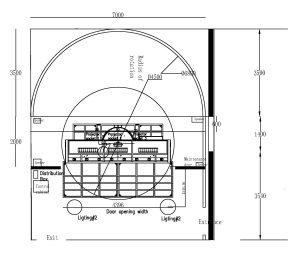
Length, width, ceiling height and column positions determine feasible screen and seat layouts.
Seat count and show cycle define hourly throughput and revenue potential.
Wind, mist, scent, bubbles, fog and lighting should be selected around the target guest experience.
Licensed films, local-language versions and custom destination films carry different budgets and timelines.
Manufacturing, shipping, civil works, installation and training should be planned backward from launch date.
A compact outdoor container flying theater generally starts around USD $45,000-$80,000, a standard indoor system is commonly USD $150,000-$400,000, and a large custom dome flying theater normally starts above USD $400,000. Final pricing depends on configuration and site conditions.
A quotation may include the motion platform, seats and restraints, projection and screen system, audio, show control, selected 4D effects, film licenses, packing, installation, commissioning and training. The exact scope should be confirmed line by line.
Usually not. Civil works, foundations, electrical upgrades, HVAC, fire protection, decoration, permits, local taxes and venue rent are normally budgeted separately unless explicitly included in the contract.
Provide the country, venue type, floor dimensions, ceiling height, target seat count, expected visitor flow, preferred effects, content requirements and target opening date. A site drawing or video helps the engineering team prepare a more accurate proposal.
Send your country, venue dimensions, ceiling height, preferred capacity and target opening date. We will recommend a suitable system and identify which project costs require local budgeting.