Venue and player plan
Confirm the city, venue type, usable floor area, target player capacity and expected peak periods before choosing individual machines.

Commercial buyer's guide
Plan a commercial VR gaming zone around equipment mix, player capacity, venue preparation and delivered project scope. This guide helps operators compare configurations before requesting a quotation; it does not present a single fixed local price.
Planning guidance only. Final pricing depends on configuration, destination and local project requirements.
A commercial VR gaming zone is more than a machine purchase. A useful plan separates the attraction mix from local venue work and the services required to open and operate the site.
Confirm the city, venue type, usable floor area, target player capacity and expected peak periods before choosing individual machines.
Choose a balanced mix of compact motion rides, multiplayer attractions and high-capacity formats instead of relying on one generic VR game machine.
Plan electrical capacity, networking, HVAC, fire-safety coordination, queueing, payment, signage, access for installation and technical support.
Compare equipment configuration, packing, freight, customs, local delivery, installation and commissioning as separate quotation items.
Equipment planning
Match the mix to floor area, session capacity, spectator visibility and the type of repeat experience the venue needs to offer.
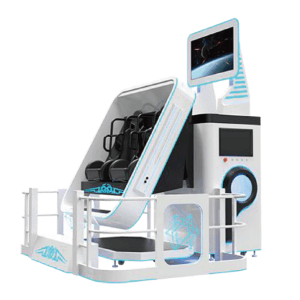
A twin-seat 360 VR roller coaster format for a visible, smaller-footprint attraction.
View equipment details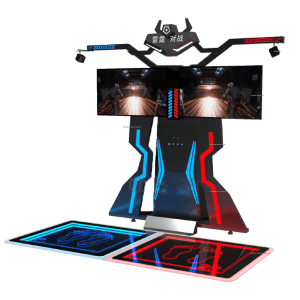
A social two-player format for repeat sessions and spectator interest.
View equipment details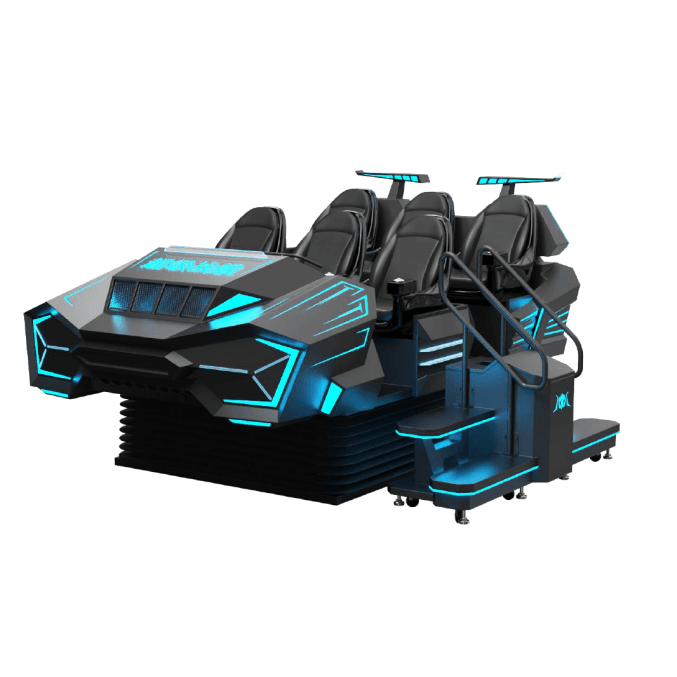
A group VR spaceship format for venues that need more seats per session.
View equipment details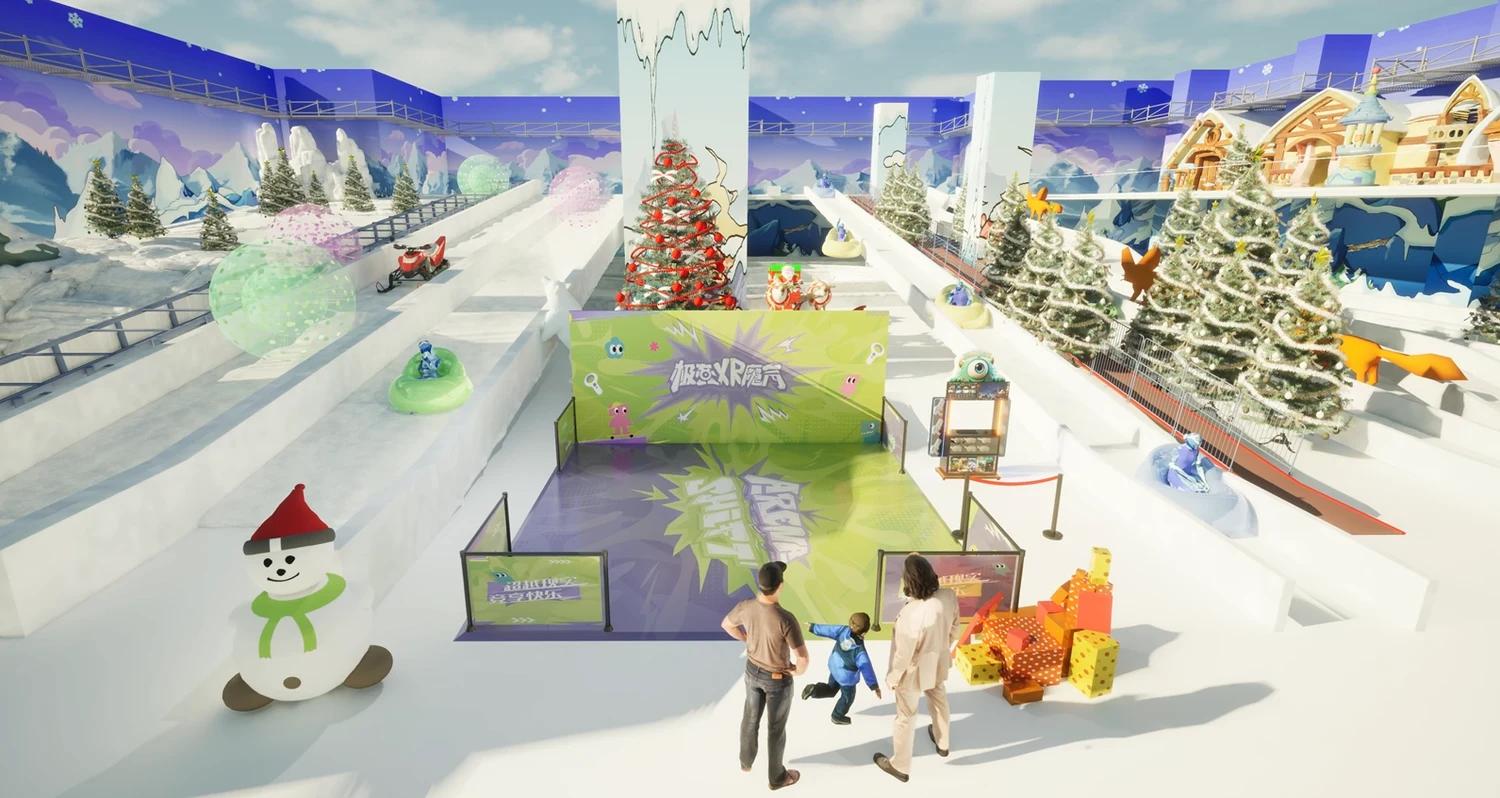
A portable multiplayer XR option for adaptable venue layouts and event deployment.
View equipment detailsEquipment mix examples
These examples show how operators can combine existing attraction formats at different venue sizes. They are planning starting points, not fixed quotations or revenue forecasts.
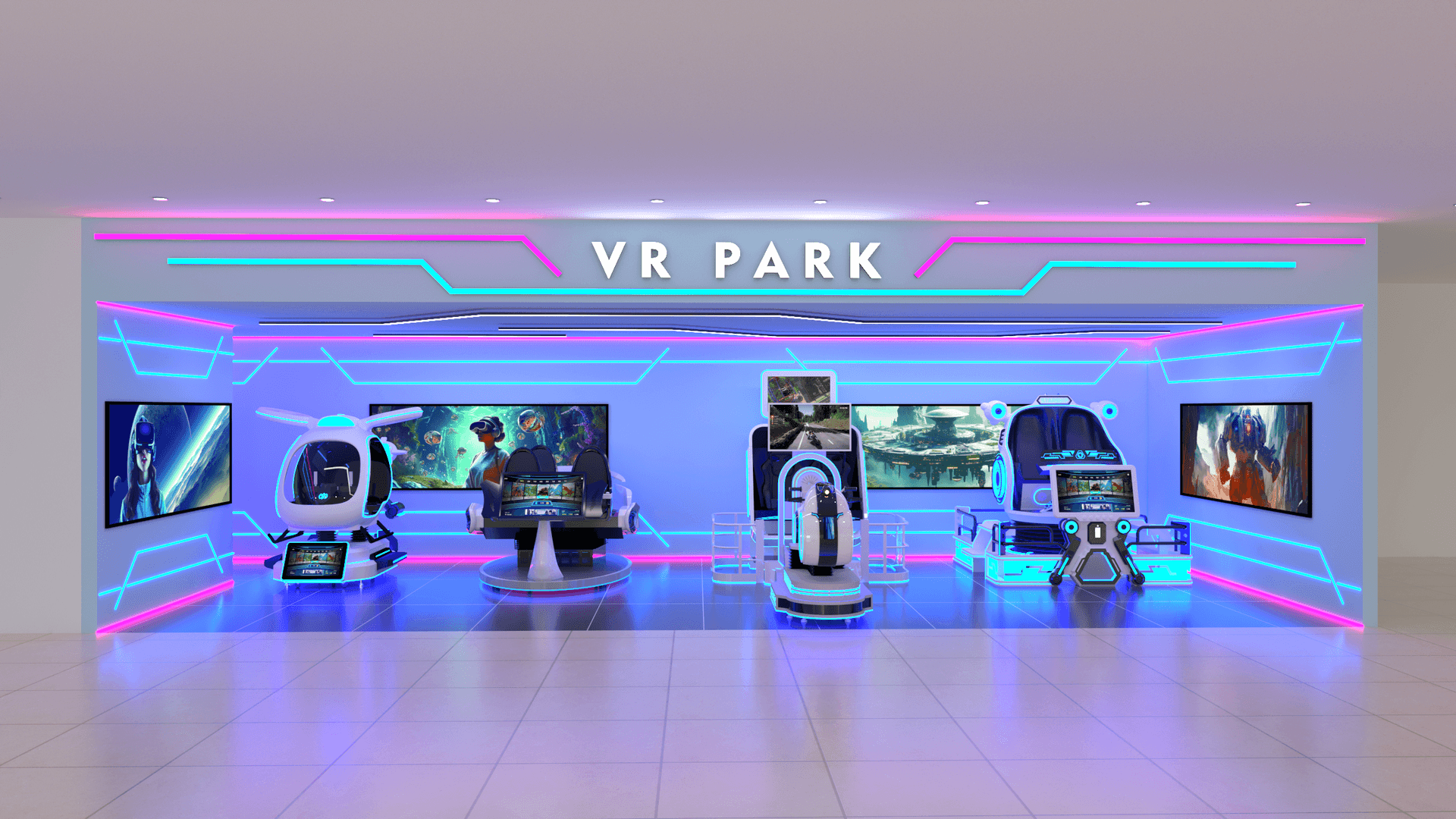
Around 30 m²
A focused mix can combine a visible twin-seat motion ride, a short-session battle format and a racing experience. This keeps the offer varied without treating the venue as a full-scale attraction center.
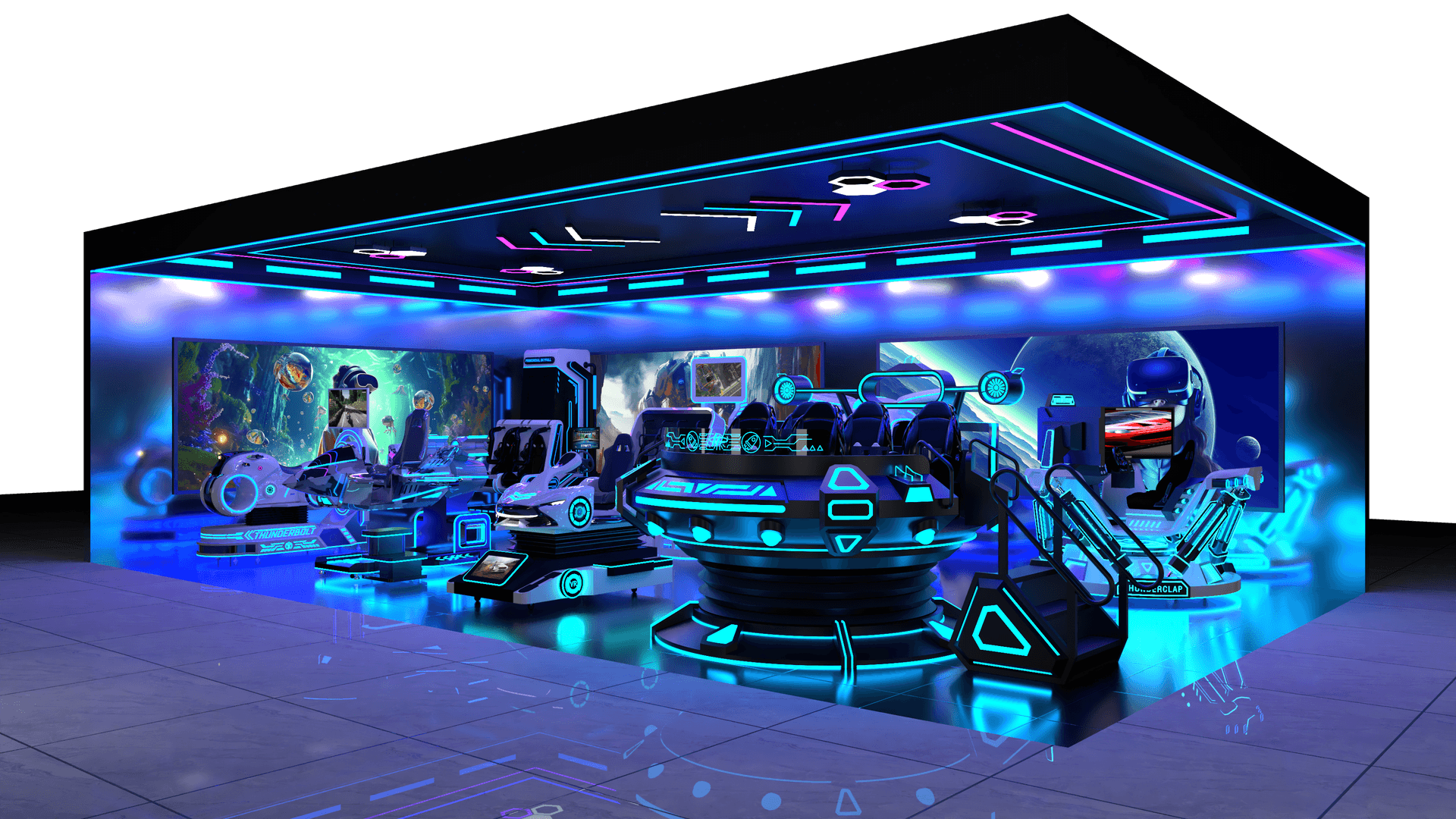
Around 100 m²
A medium venue can balance compact rides with multiplayer and flight-style experiences, giving families, casual visitors and group bookings several experience formats to choose from.
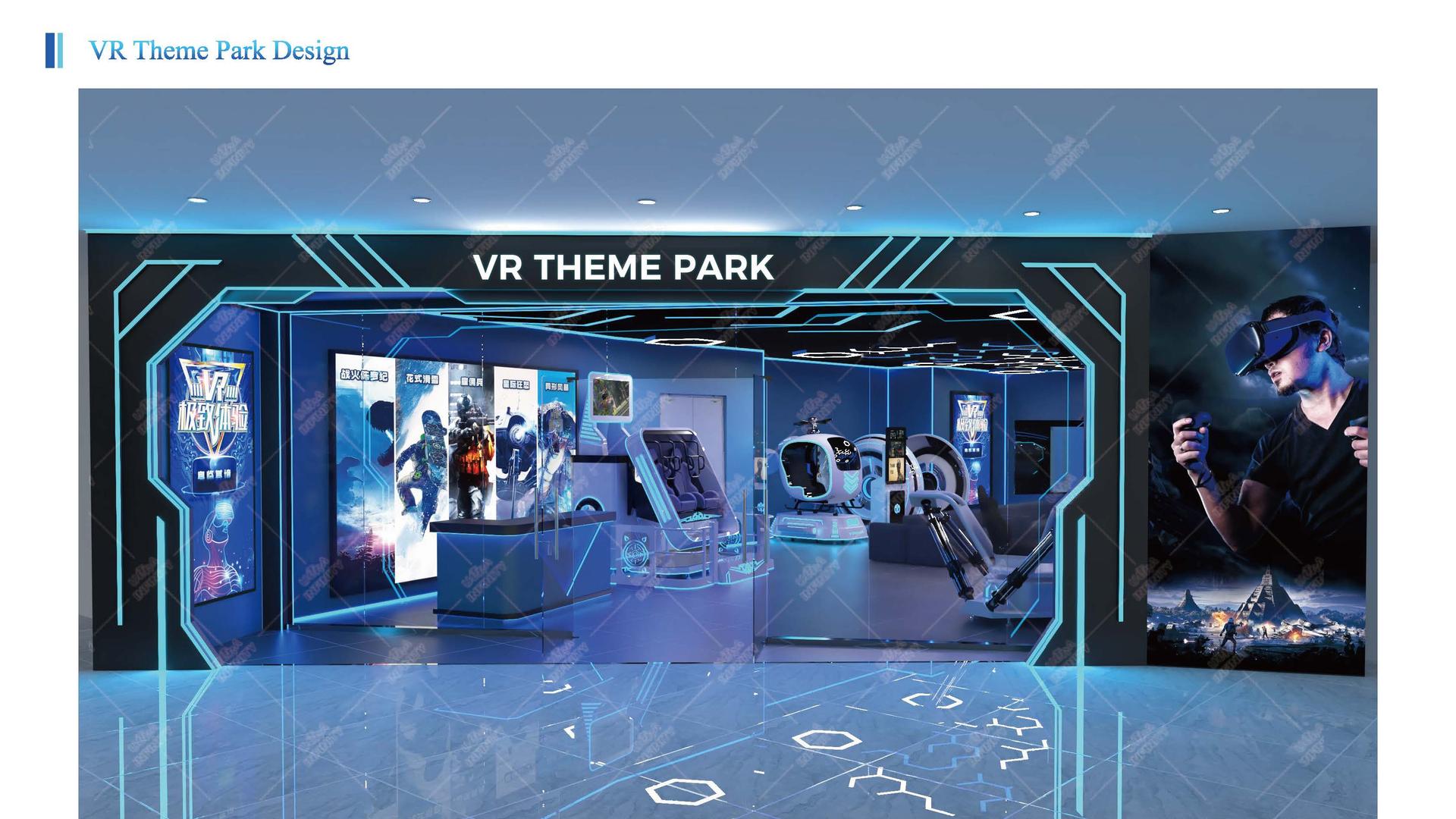
200 m² and above
Larger venues can allocate separate areas for high-capacity rides, multiplayer XR and signature attractions, with space for queueing, staff observation and spectator visibility.
Break-even planning tool
Use a local operating model rather than a generic return-on-investment claim. The calculation gives a break-even visit target only; it does not forecast demand, profit or a payback period.
Monthly break-even paid visits
(Monthly rent + payroll + utilities + equipment depreciation + other fixed costs) ÷ average spend per visit
Illustrative monthly ticket revenue
The following table uses a reference exchange rate of ₹14.25 per Chinese yuan, resulting in a ticket assumption of ₹356.25 per player. It shows theoretical monthly gross ticket revenue at the stated session cadence, before rent, payroll, utilities, taxes, maintenance, discounts or demand changes. Exchange rates and local ticket prices change; this is not a pricing recommendation, profit forecast or payback claim.
| Period | Ride capacity | Operating hours | Session cadence | Days | Monthly sessions |
|---|---|---|---|---|---|
| Weekdays | 4–6-seat rides | 3 hrs/day | 3 cycles/hour | 22 days | 198 sessions |
| Weekdays | 1–3-seat rides | 3 hrs/day | 5 cycles/hour | 22 days | 330 sessions |
| Weekends | 4–6-seat rides | 8 hrs/day | 3 cycles/hour | 8 days | 192 sessions |
| Weekends | 1–3-seat rides | 8 hrs/day | 5 cycles/hour | 8 days | 320 sessions |
₹1,759,875/ month
| Attraction capacity | Calculation | Monthly gross ticket revenue |
|---|---|---|
| Single-seat attraction | ₹356.25 × 1 player × (330 + 320) sessions | ₹231,563 |
| Five-seat attraction | ₹356.25 × 5 players × (198 + 192) sessions | ₹694,688 |
| Six-seat attraction | ₹356.25 × 6 players × (198 + 192) sessions | ₹833,625 |
₹1,528,313/ month
| Attraction capacity | Calculation | Monthly gross ticket revenue |
|---|---|---|
| Single-seat attraction | ₹356.25 × 1 player × (330 + 320) sessions | ₹231,563 |
| Six-seat attraction | ₹356.25 × 6 players × (198 + 192) sessions | ₹833,625 |
| Two-seat attraction | ₹356.25 × 2 players × (330 + 320) sessions | ₹463,125 |
Use your own local ticket price, operating hours, seat utilisation, taxes and costs when evaluating an India project. Actual paid visits may be lower or higher than this capacity reference.
Compare the full cost scope
The broader guide explains equipment reference pricing and the cost categories that should be confirmed before comparing supplier quotations.
Read the VR arcade machine price and cost guideStart with the equipment format, player capacity and available floor area, then account for shipping, local delivery, site preparation, installation, game content and operating requirements. A configuration-based quotation is more useful than comparing a machine-only price.
Not always. Equipment price, freight, customs, local taxes, unloading, electrical work, networking, HVAC, permits, decoration and installation can be separate items. Confirm the scope line by line before comparing quotations.
Share the city, venue type, floor plan, available area, target player capacity, preferred attraction formats, power conditions and target opening date. Venue photos and an intended operating model help define a practical equipment mix.
Yes. Divide monthly fixed operating costs by the average spend per visit to estimate the monthly number of paid visits needed to cover those costs. Use your own local rent, payroll, utilities, depreciation and operating assumptions; the formula does not predict profit or a payback period.
Send your city, floor plan, intended attraction formats and target opening date. We can discuss a practical equipment configuration and identify the scope that needs local budgeting.